

Botox for Jaw Tension: Evidence and Questions
Understand why jaw tension needs an assessment, what research says about botulinum toxin for TMD, and which alternatives to discuss.
- Beauty Medica Editorial TeamPatient Education & Research


Quick takeaways
- Jaw tension can have different causes.
- Botulinum toxin for TMD is off-label, with mixed evidence of benefit.
Start with an assessment
Jaw tension, grinding, and pain around the jaw can have different causes. A dentist or clinician familiar with temporomandibular disorders can assess the symptoms and discuss suitable care.
For questions about the Beauty Medica visit, read the jaw tension and sweating guide for men.
Where Botox fits in the discussion
Botulinum toxin is sometimes considered for selected muscle-related symptoms. It is not FDA-approved for TMD. NIDCR describes mixed study results and uncertainty about symptom relief.
A discussion should cover conservative options and the reason for considering this treatment in your situation. Ask what finding would support the recommendation and how benefit would be assessed.
Questions to bring
- What is the likely cause of my symptoms?
- Should I see a dentist or another clinician first?
- Which simpler approaches should I consider?
- How could the proposed treatment affect chewing or jaw shape?
- What should happen if the symptoms continue?
Bring a record of what you have already tried. Explain when the tension occurs and how it affects daily life. Share relevant health information privately during your visit.
Understand the risks
Botulinum toxin treatment can cause unwanted weakness. Its labeling includes a warning about effects spreading beyond the treatment area. Trouble breathing, swallowing, or speaking after treatment needs urgent medical attention.
Ask about the specific product and proposed use before deciding. A consultation does not require a decision to proceed that day.
Sources
About the author
- Beauty Medica Editorial TeamPatient Education & ResearchThe Beauty Medica Editorial Team develops patient-friendly, source-based guidance on treatment planning, safety, skin quality, injectables, and realistic aesthetic decision-making. Clinical review is credited separately when it has been completed.
Continue your research
Useful next reading
Selected sources and companion stories that help readers verify, compare, and act.

How the Jawline and Neck Change With Age
Understand how bone, soft tissue, skin, and muscle affect the male jawline and neck, and what an assessment can clarify.
- Beauty Medica Editorial TeamPatient Education & Research

Excessive Underarm Sweating: Treatment Questions
Learn when excessive underarm sweating needs medical assessment and what the BOTOX indication covers before discussing treatment.
- Beauty Medica Editorial TeamPatient Education & Research
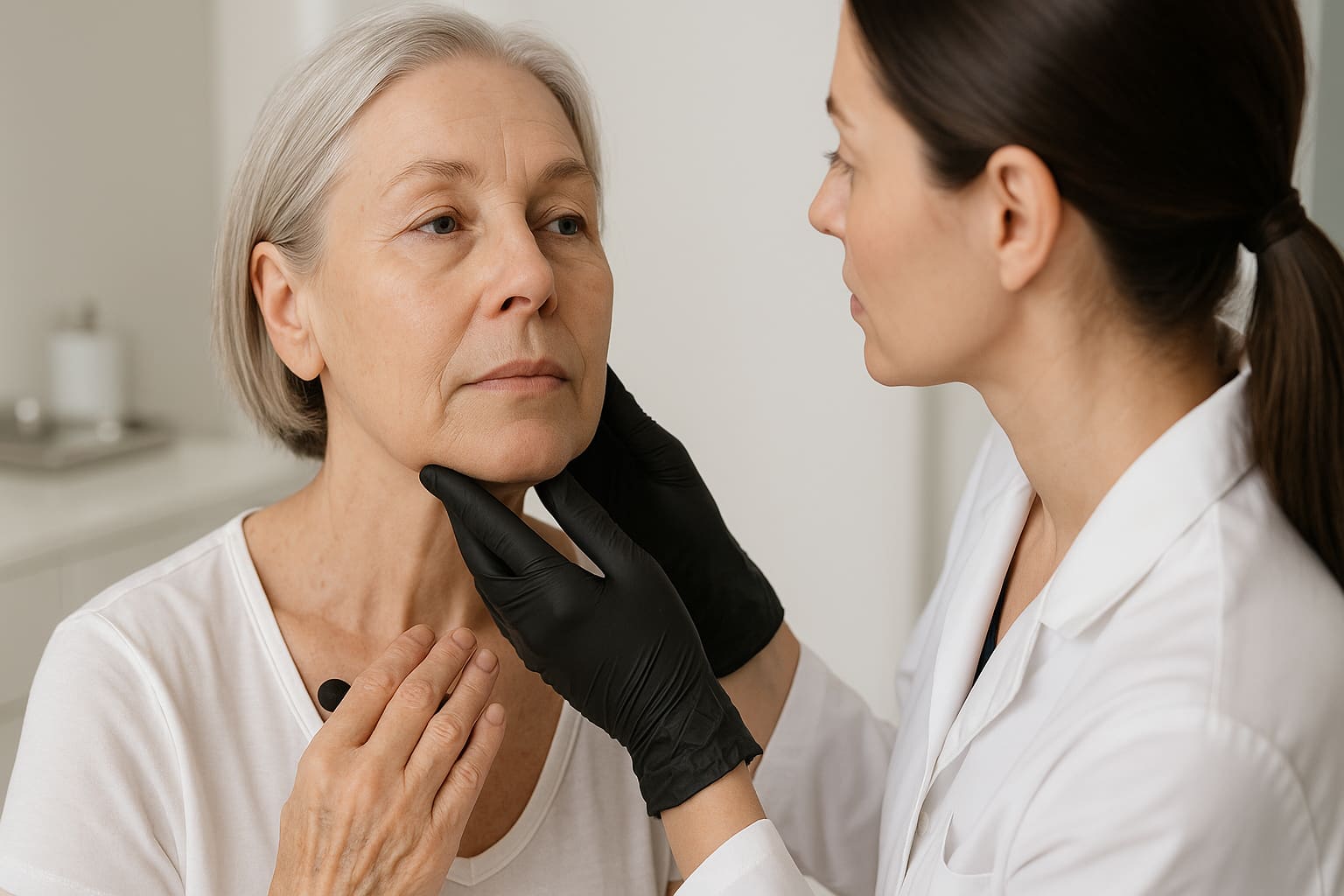
Facial Changes After GLP-1 or Weight Loss
Learn how weight loss can affect facial support and skin quality, and what to discuss before choosing a cosmetic treatment.
- Beauty Medica Editorial TeamPatient Education & Research