

Excessive Underarm Sweating: Treatment Questions
Learn when excessive underarm sweating needs medical assessment and what the BOTOX indication covers before discussing treatment.
- Beauty Medica Editorial TeamPatient Education & Research


Quick takeaways
- Persistent excessive sweating warrants an assessment.
- The BOTOX label specifies severe primary underarm sweating inadequately controlled with topical treatment.
When sweating affects your day
Repeatedly changing shirts or avoiding certain clothes can be frustrating. If underarm sweating persists despite topical treatment, a medical assessment can help clarify the cause and options.
Start with the hyperhidrosis treatment guide for a local consultation in Boca Raton.
What the BOTOX indication covers
BOTOX has a U.S. indication for severe primary axillary hyperhidrosis in adults when topical treatment is inadequate. “Axillary” means the underarm area. Other areas and other botulinum toxin brands have their own labeling.
Your history matters when deciding whether that indication fits. Tell the clinician when sweating began, where it occurs, and what you have tried.
Questions that help you plan
| Ask about | Why it matters |
|---|---|
| The cause of sweating | An assessment should come before choosing treatment. |
| Previous topical treatment | Explain what helped, what did not, and any irritation. |
| The expected benefit | Ask how improvement will be judged for your situation. |
| Recovery and follow-up | Understand the precautions and when to reassess the result. |
Write down questions before the visit if that is useful. Share medicines and other health information privately with the clinician.
Before deciding
Discuss the product’s risks and the plan for a concerning symptom. Botulinum toxin labeling warns about effects spreading beyond the treatment area; difficulty breathing, swallowing, or speaking after treatment needs urgent care.
The consultation can give you time to consider your options. Treatment timing and follow-up should reflect the assessment and your response.
Sources
About the author
- Beauty Medica Editorial TeamPatient Education & ResearchThe Beauty Medica Editorial Team develops patient-friendly, source-based guidance on treatment planning, safety, skin quality, injectables, and realistic aesthetic decision-making. Clinical review is credited separately when it has been completed.
Continue your research
Useful next reading
Selected sources and companion stories that help readers verify, compare, and act.

How the Jawline and Neck Change With Age
Understand how bone, soft tissue, skin, and muscle affect the male jawline and neck, and what an assessment can clarify.
- Beauty Medica Editorial TeamPatient Education & Research

Botox for Jaw Tension: Evidence and Questions
Understand why jaw tension needs an assessment, what research says about botulinum toxin for TMD, and which alternatives to discuss.
- Beauty Medica Editorial TeamPatient Education & Research
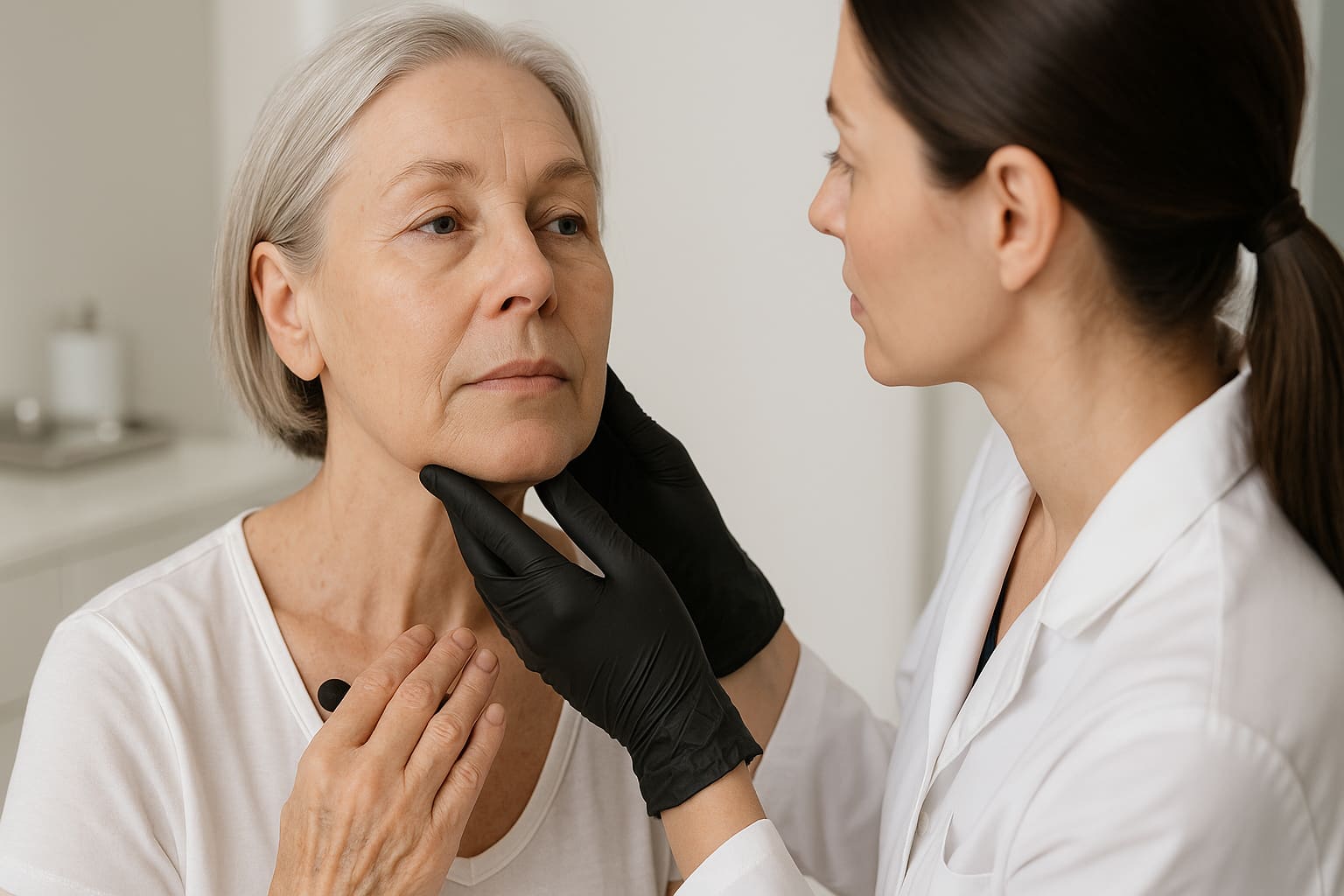
Facial Changes After GLP-1 or Weight Loss
Learn how weight loss can affect facial support and skin quality, and what to discuss before choosing a cosmetic treatment.
- Beauty Medica Editorial TeamPatient Education & Research