

Mesotherapy for Skin: What to Ask
Understand how mesotherapy formulas differ, what research can tell you, and the questions that help turn a skin concern into a personal plan.
- Beauty Medica Editorial TeamPatient Education & Research

Quick takeaways
- Mesotherapy describes a method using different preparations.
- Evidence and recovery depend on the formula and how it is used.
What does mesotherapy mean?
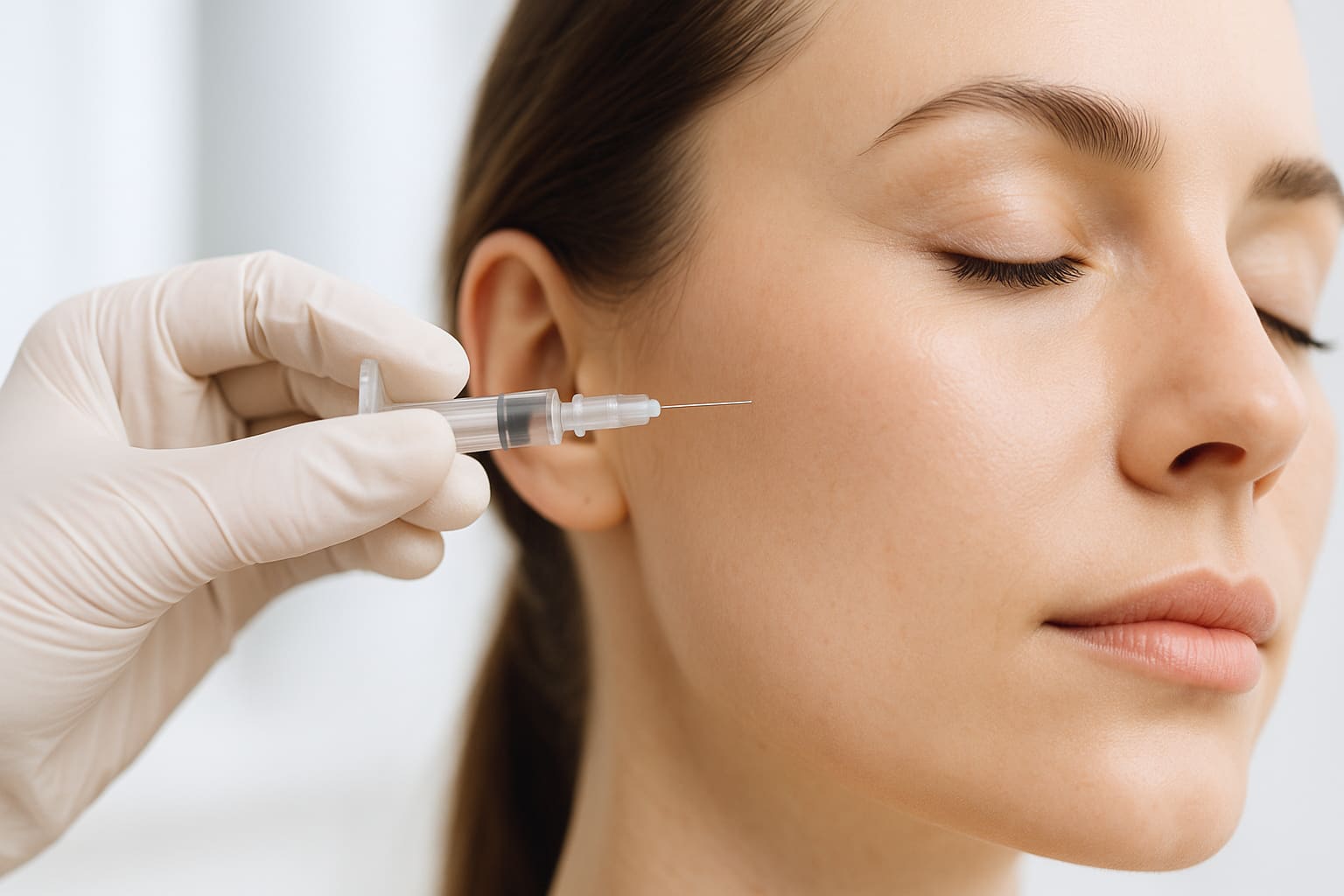
Mesotherapy places small amounts of a selected preparation within the skin. People often ask about it when their skin looks dry or dull. The name covers different ingredients and techniques, so the exact formula determines what can reasonably be expected.
For local care, visit mesotherapy in Boca Raton. This guide explains how to evaluate the treatment conversation.
Start with the ingredient list
A preparation may contain hyaluronic acid or amino acids, and some products include other ingredients. Their roles and concentrations differ. A familiar ingredient in a cream does not establish the safety or benefit of placing it in the skin.
Before treatment, ask to see the exact product. Elena should explain why it fits your skin concern and whether the intended use is supported by current evidence and authorization.
How much does the research tell us?
Research on one formula cannot stand in for the entire mesotherapy category. A recent multicenter randomized study examined a specific sodium hyaluronate and amino-acid preparation. It reported improvements in hydration and elasticity, with follow-up through three months. Those findings apply to that preparation and protocol.
The earlier literature also describes substantial variation in ingredients and methods. That makes a precise product explanation more useful than a general promise of rejuvenation. A long-term result cannot be inferred from short follow-up.
Compare the purpose
| Option | The question it addresses |
|---|---|
| Mesotherapy | Could a particular preparation help the skin-quality concern? |
| Profhilo | Does this named hyaluronic-acid product fit the skin goal, and what is its current availability? |
| Structural filler | Would localized support or volume change improve the area? |
| Resurfacing | Would treating the skin surface more directly help texture or pigment? |
Profhilo has its own formulation and evidence. Crepey skin may also involve laxity or lost support, which deserves a separate assessment.
What would my visit involve?
Elena first reviews your skin and current routine. Mention recent procedures and any irritation. She can explain the selected preparation, the proposed treatment area, and when to assess your response.
Ask how the recommendation fits your schedule. Temporary bumps or redness may be visible, and bruising can interfere with plans for photographs or an important event.
What should I ask about safety?
Ask about the product’s source and authorization for the intended use. Recovery depends on the formula and technique. Swelling, tenderness, or bruising may occur, and any procedure that enters the skin needs infection precautions and a clear follow-up plan.
The term mesotherapy is sometimes also used in marketing for hair concerns or fat reduction. Those are separate uses with different evidence and risks. This guide focuses on facial skin quality.
Bring the skin concern you actually have
You can arrive with a simple question about a change you see. There is no need to select a formula first. Explore Beauty Medica’s mesotherapy page or discuss the options with Elena.
Sources
About the author
- Beauty Medica Editorial TeamPatient Education & ResearchThe Beauty Medica Editorial Team develops patient-friendly, source-based guidance on treatment planning, safety, skin quality, injectables, and realistic aesthetic decision-making. Clinical review is credited separately when it has been completed.
Continue your research
Useful next reading
Selected sources and companion stories that help readers verify, compare, and act.
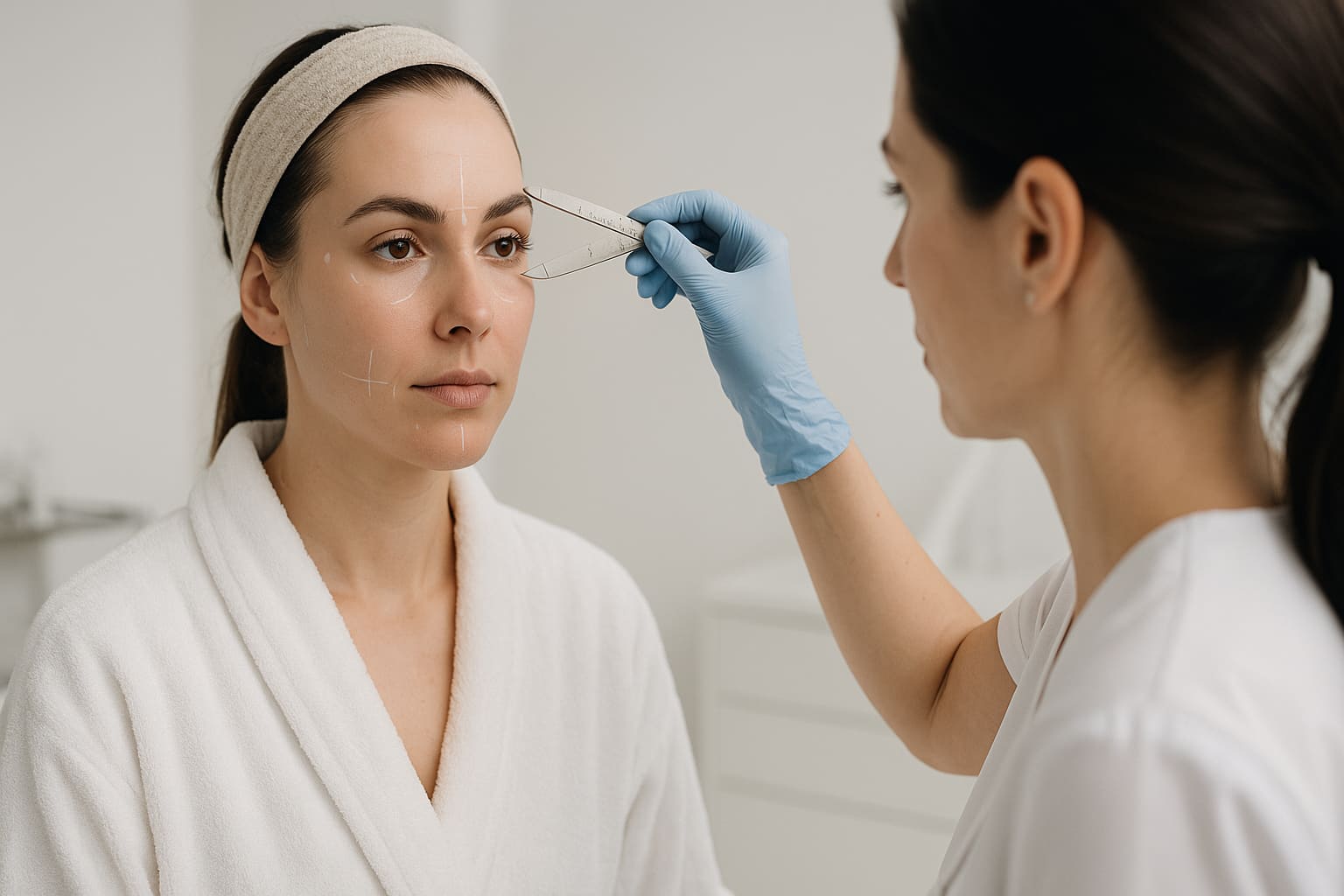
How to Read Before-and-After Photos
Check lighting, angle, timing, and treatment details before using a before-and-after photograph to set your expectations.
- Beauty Medica Editorial TeamPatient Education & Research

Questions to Ask an Aesthetic Provider
Ask about credentials, treatment experience, product identity, and the response to complications before choosing an aesthetic provider.
- Beauty Medica Editorial TeamPatient Education & Research
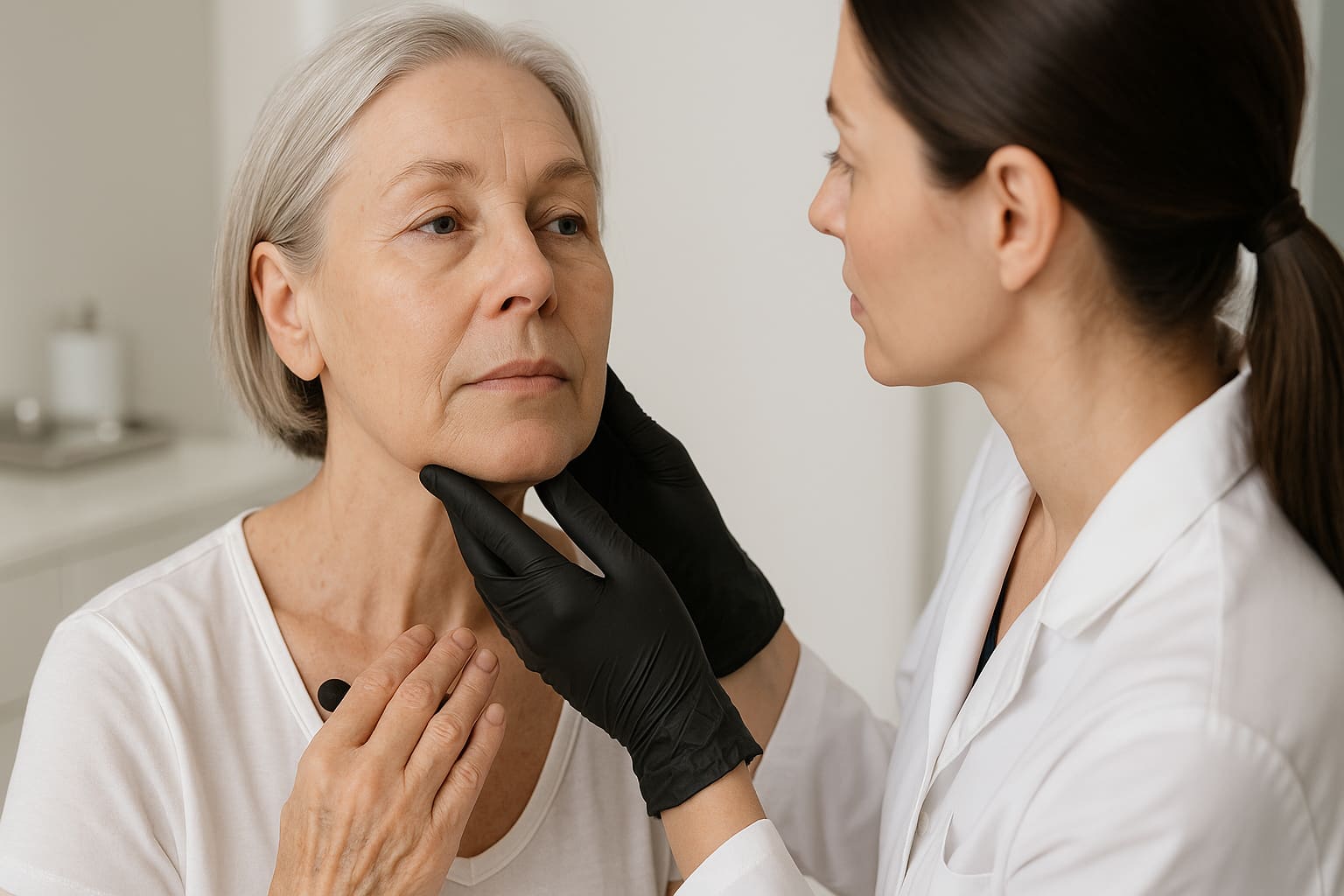
Facial Changes After GLP-1 or Weight Loss
Learn how weight loss can affect facial support and skin quality, and what to discuss before choosing a cosmetic treatment.
- Beauty Medica Editorial TeamPatient Education & Research