

How Perimenopause Can Change Your Skin
Learn about skin changes around perimenopause and which questions help guide home care or a discussion about treatment.
- Beauty Medica Editorial TeamPatient Education & Research

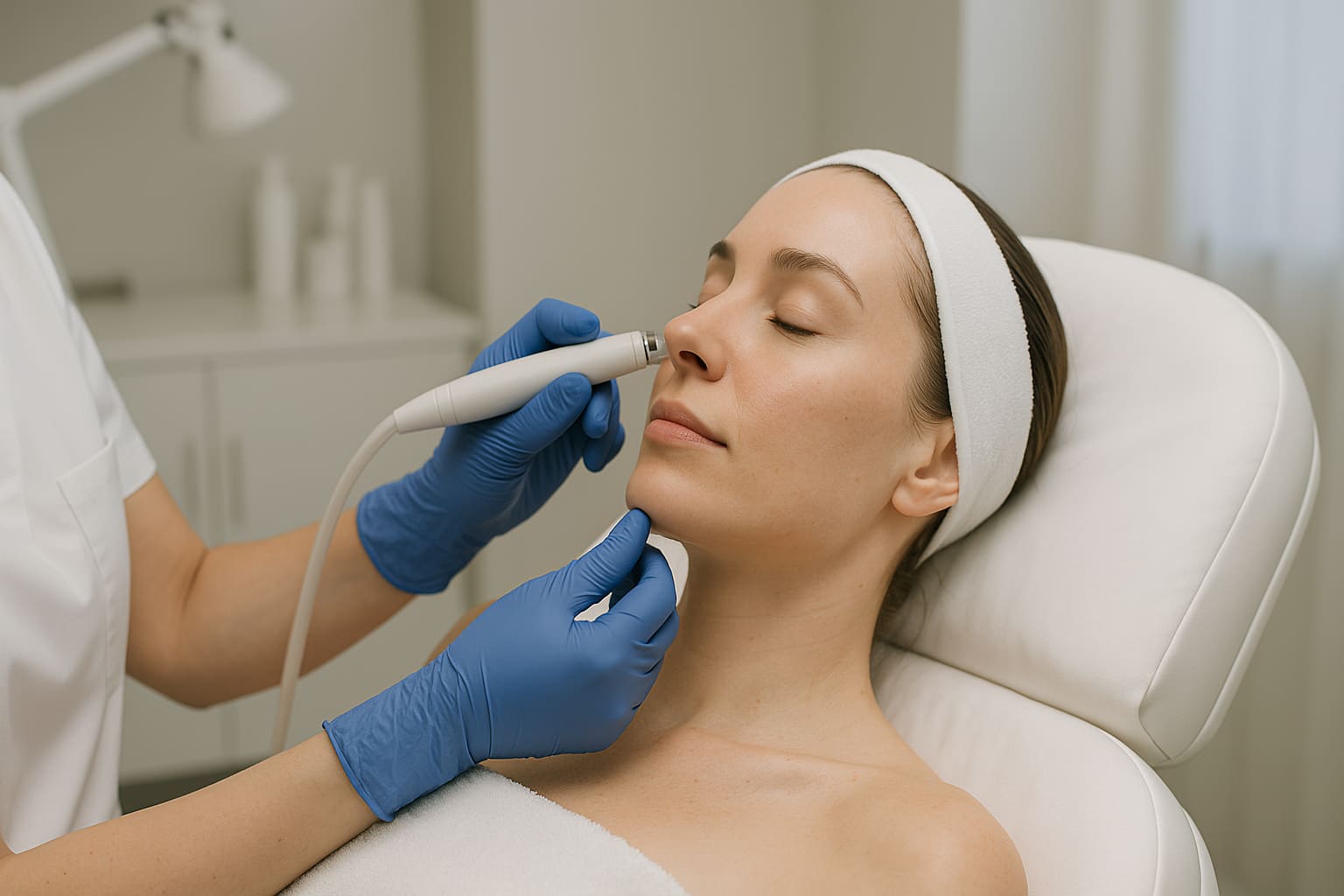
Quick takeaways
- Estrogen decline accelerates collagen loss, reduces hydration, and changes pigment behavior in ways skincare alone cannot fully solve.
- The right treatment depends on what is leading the change: texture, pigment, dehydration, or structural shift.
- A consultation should sort those drivers before any product or treatment plan is recommended.
What perimenopause does to skin
Perimenopause does not arrive as one single event. It is a years-long hormonal transition, and the skin often registers that transition before people have language for it. Texture becomes uneven. Hydration becomes harder to hold onto. Pigment behaves differently. Skin that responded well to the same routine for years starts feeling unpredictable.
Estrogen is one of the main reasons. It supports collagen production, moisture retention, sebaceous balance, and melanin regulation. As estrogen begins to decline, the systems it helped stabilize begin shifting too. That is why skin can suddenly feel drier, thinner, more reactive, or more uneven in ways that do not feel connected to what you are doing topically.
This is not a sign that you stopped taking care of your skin correctly. It is a change in the biological environment your skin is operating inside.
This is not a sign that you stopped taking care of your skin correctly. It is a change in the biological environment your skin is operating inside.
Why your skincare routine stops working
Topical skincare works at the surface. It can improve hydration, support the barrier, and help with antioxidant protection. What it cannot do is replace the hormonal signals that previously helped the skin stay resilient on its own.
That is why many women in perimenopause describe the same experience: the products are still “good,” but they do not work the way they used to. The issue is not necessarily the formula. It is that the skin now needs something different from what it needed before.
At this stage, adding more products often produces smaller returns. The ceiling gets lower because the underlying driver has changed.
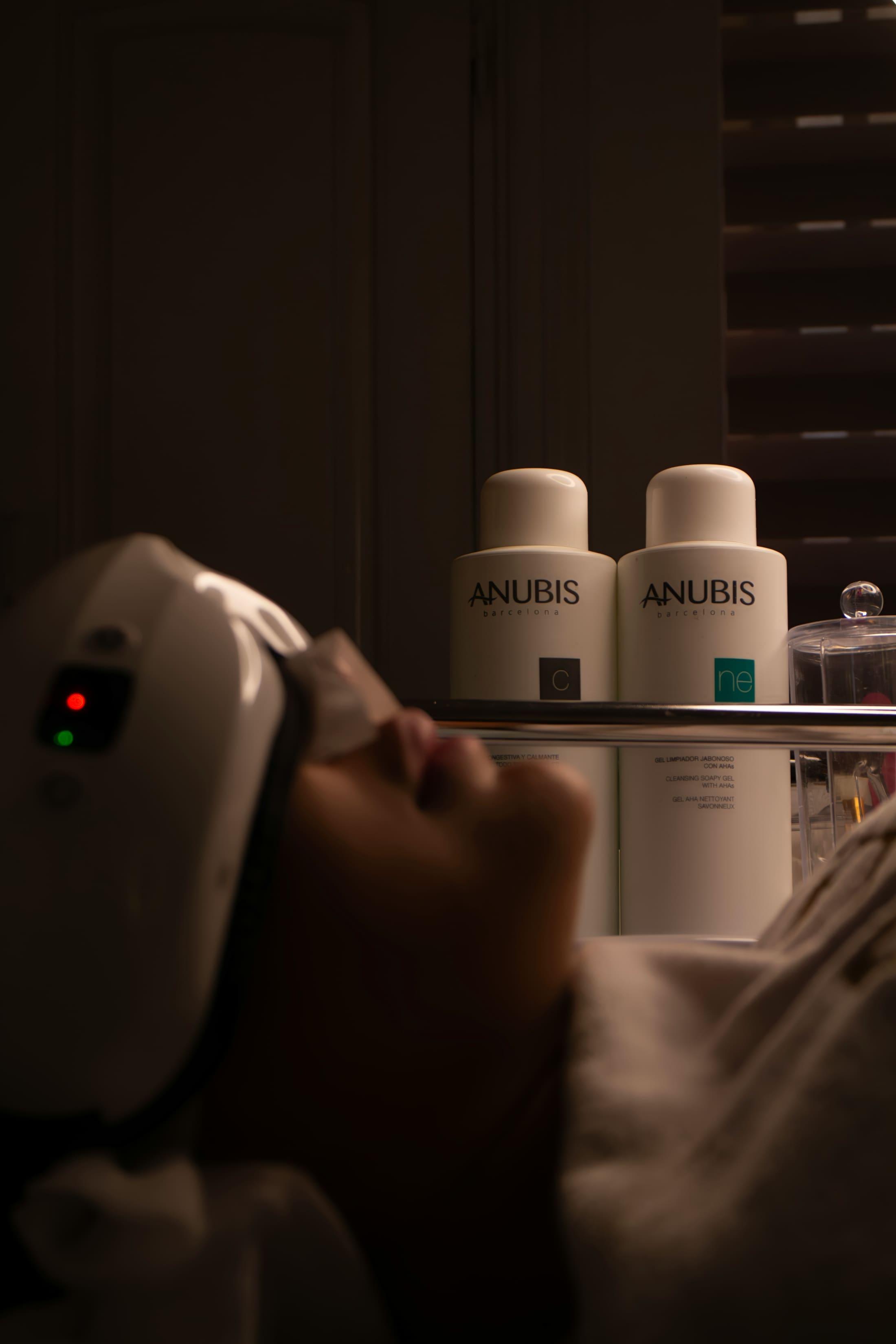
What clinical treatments actually target
When hormonal skin change is the real driver, treatment has to match the specific change.
If dehydration and diminished resilience are leading, skin-quality treatments and hydration-focused protocols help more than product changes alone. If pigment irregularity is becoming more obvious, peel or laser planning may be appropriate once barrier stability is there. If structural volume loss is starting to register in the midface or around the eyes, that requires a different conversation entirely.
The useful question is not “what treatment is popular for perimenopause skin?” The useful question is “what is driving your skin concern?”
How a consultation works for perimenopause skin
A good consultation does not start with a preselected treatment. It starts by identifying whether the biggest issue is hydration, pigment, texture, reactivity, support loss, or a combination of those.
Irritated skin may need simpler care before a corrective procedure. When structural and skin changes occur together, allow time to assess each proposed step.
The goal is to build a plan that reflects what the skin is actually doing now, not what it used to need five years ago.
The biology is real and treatable
Perimenopause changes the skin because hormones change the skin. That is the truth underneath the frustration. The good news is that the changes are understandable, and once they are understood clearly, they are treatable.
What helps most is not chasing a perfect new routine. It is matching the treatment category to the change that is actually leading.
About the author
- Beauty Medica Editorial TeamPatient Education & ResearchThe Beauty Medica Editorial Team develops patient-friendly, source-based guidance on treatment planning, safety, skin quality, injectables, and realistic aesthetic decision-making. Clinical review is credited separately when it has been completed.
Continue your research
Useful next reading
Selected sources and companion stories that help readers verify, compare, and act.
Postpartum Skin Changes and Recovery
Understand common questions about skin after pregnancy and why irritation, breastfeeding, and recovery matter in a treatment discussion.
- Beauty Medica Editorial TeamPatient Education & Research
Facial Changes After GLP-1 or Weight Loss
Learn how weight loss can affect facial support and skin quality, and what to discuss before choosing a cosmetic treatment.
- Beauty Medica Editorial TeamPatient Education & Research

Why a Shared Vision Matters in Aesthetic Care
The same tools can create very different results. Patients should choose a provider whose aesthetic vision aligns with theirs.
- Beauty Medica Editorial TeamPatient Education & Research