

Postpartum Skin Changes and Recovery
Understand common questions about skin after pregnancy and why irritation, breastfeeding, and recovery matter in a treatment discussion.
- Beauty Medica Editorial TeamPatient Education & Research

Quick takeaways
- Postpartum skin changes are driven by hormonal withdrawal, stress, and barrier disruption, not by neglect.
- Barrier recovery usually has to come before stronger pigment or corrective work.
- The best plan works with hormonal timing, not against it.
What pregnancy and the postpartum period do to skin
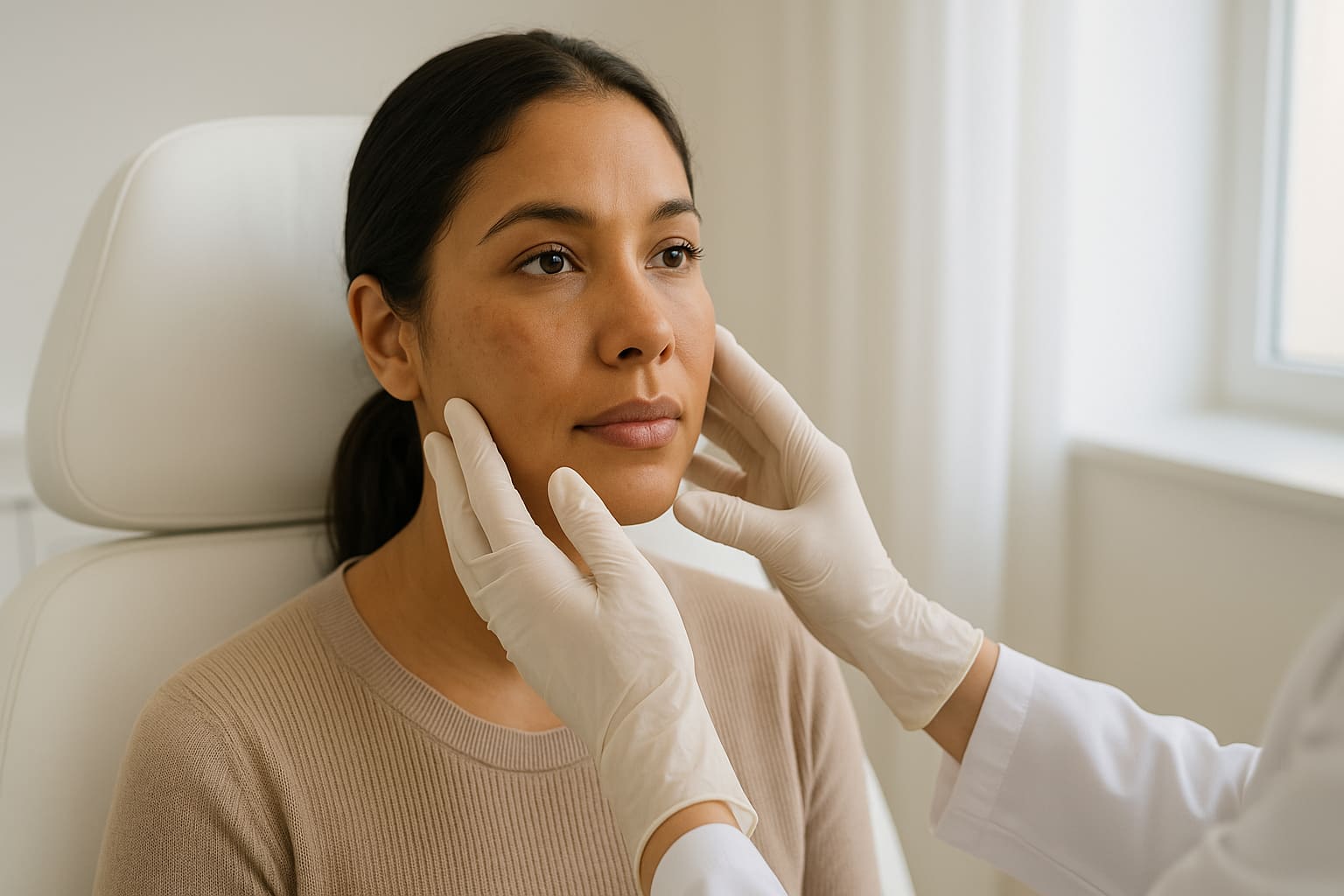
Pregnancy changes the skin through one of the strongest hormonal environments the body experiences. The postpartum period then changes it again, often quickly. Pigment can shift. Barrier function can weaken. Skin can look dull, uneven, or more reactive than it ever did before.
These are not random changes. They are biology.
Why postpartum skin needs a different approach
Skin can become more reactive after pregnancy. A gentle routine and an assessment of persistent irritation can be useful before considering a cosmetic procedure.
The first question is not “what treatment fixes this fastest?” It is “what is the skin ready for right now?”
Barrier repair first
If the barrier is inflamed or unstable, that needs to settle first. This stage is about reducing reactivity, rebuilding hydration, and creating enough resilience for the skin to tolerate corrective work later.
That may not feel glamorous, but it is usually what makes the next phase actually work.
Addressing pigment and tone
Once the barrier is stable and the hormonal picture is clearer, pigment-focused work becomes more appropriate. Depending on the pattern, that may mean peel planning, laser planning, or a slower corrective sequence designed to avoid rebound pigmentation.
Postpartum pigment is not always solved by doing more. It is solved by doing the right thing at the right time.
Mesotherapy for tissue hydration and quality
Discuss persistent dryness or irritation with a clinician. Any treatment discussion should account for postpartum recovery and breastfeeding, including gaps in product safety evidence.
The right approach works with the biology, not around it
The useful postpartum plan is a staged one: stabilize first, correct when the skin is ready, and keep the hormonal context in mind the whole time. That is what turns frustration into progress.
About the author
- Beauty Medica Editorial TeamPatient Education & ResearchThe Beauty Medica Editorial Team develops patient-friendly, source-based guidance on treatment planning, safety, skin quality, injectables, and realistic aesthetic decision-making. Clinical review is credited separately when it has been completed.
Continue your research
Useful next reading
Selected sources and companion stories that help readers verify, compare, and act.
How Perimenopause Can Change Your Skin
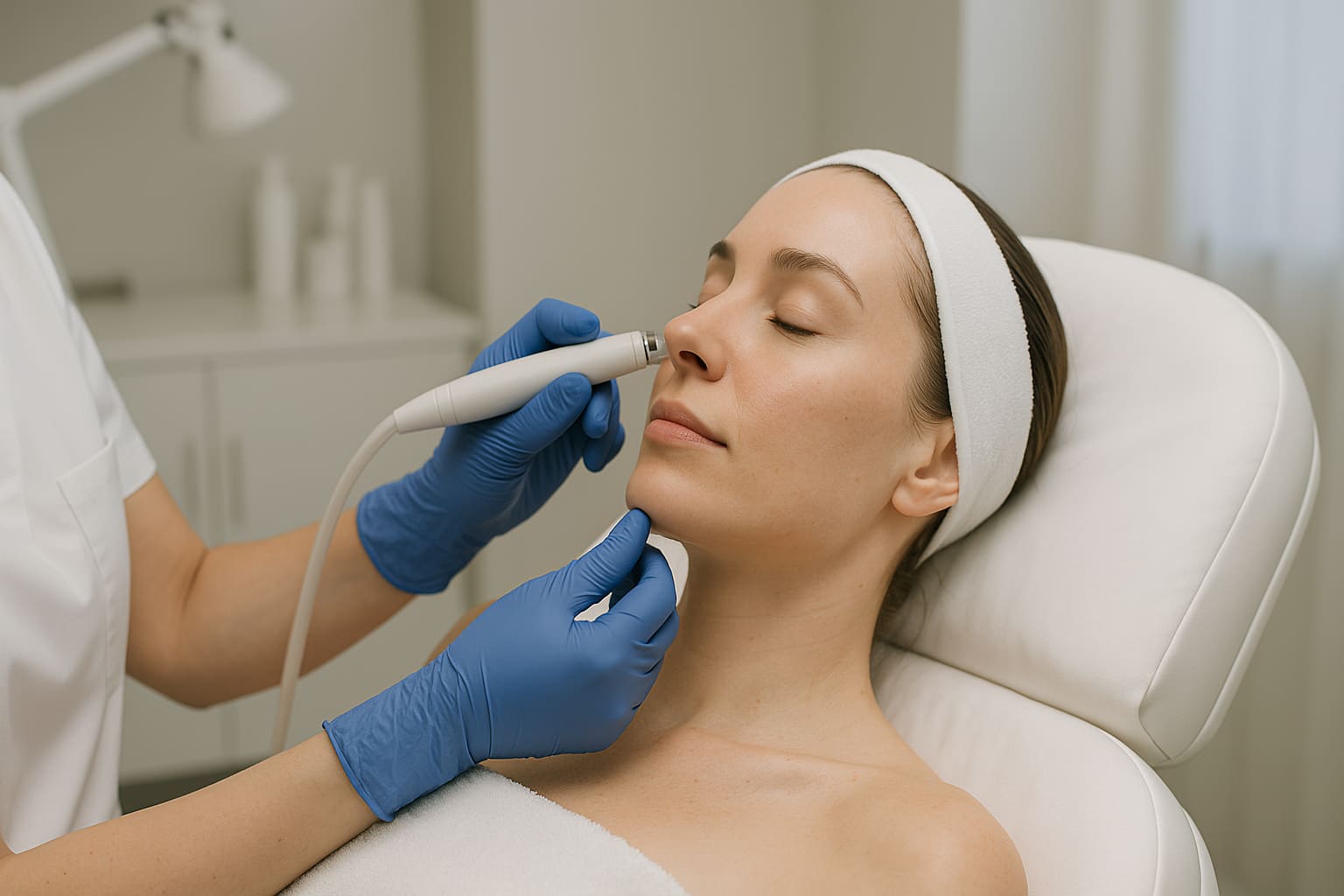
Learn about skin changes around perimenopause and which questions help guide home care or a discussion about treatment.
- Beauty Medica Editorial TeamPatient Education & Research
Facial Changes After GLP-1 or Weight Loss
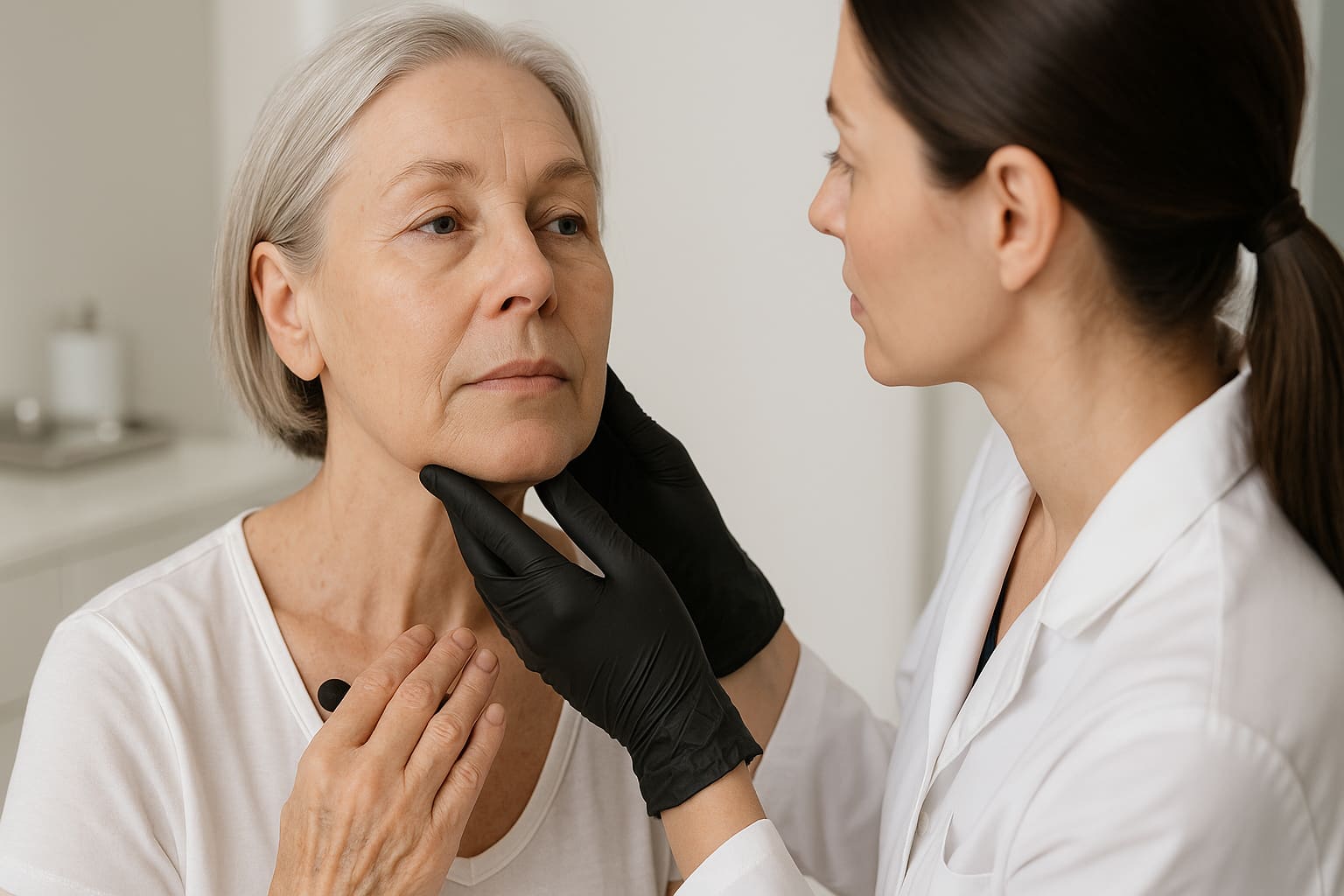
Learn how weight loss can affect facial support and skin quality, and what to discuss before choosing a cosmetic treatment.
- Beauty Medica Editorial TeamPatient Education & Research

Why a Shared Vision Matters in Aesthetic Care
The same tools can create very different results. Patients should choose a provider whose aesthetic vision aligns with theirs.
- Beauty Medica Editorial TeamPatient Education & Research